

Project description
Toxoplasma gondii exposure has been consistently associated with an increased risk of schizophrenia, yet the biological pathways underlying this relationship remain poorly understood. Conducted through a collaborative effort between the Federal University of Santa and Catarina (UFSC), the Federal University of Paraná (UFPR), and Fiocruz this project aims to identify gut microbiome signatures associated with Toxoplasma gondii exposure and neuropsychiatric vulnerability in individuals with schizophrenia. By focusing on an underexplored Global South context, the study seeks to generate insights that are locally relevant and globally informative, with the potential to support earlier risk identification and more personalized approaches to toxoplasmosis and schizophrenia care.
3 Questions to Livia Hecke Morais
What is the relationship between your project and the microbiota?
Toxoplasma gondii is known to establish infection in humans and to alter immune pathways, yet how its exposure relates to changes in the gut microbiota and its signaling functions remains poorly understood. This project examines how T. gondii exposure status is associated with differences in the gut microbiome in individuals with schizophrenia, with the goal of identifying microbiome signatures linked to neuropsychiatric vulnerability.
How can your project uncover microbiome pathways linking toxoplasmosis and schizophrenia care in Brazil?
Brazil is an underexplored setting for microbiome–psychiatric research. Studying a Brazilian human cohort, this project seeks to identify gut microbiota signatures linked to Toxoplasma exposure and schizophrenia, with relevance for risk identification and personalized care, and insights that are locally relevant and globally informative, alongside patient- and caregiver-focused educational outreach.
How will the Henri Boulard Award help your team perform your project?
It will allow our team to carry out critical aspects of our human microbiome study, strengthen our collaborations in Brazil and internationally, and support the training of students.
Henri Boulard Award's winning projects

Reequiping the gut microbiota through safe drinking water. A community and school-based water purification through the use and distribution of ceramic water pot filters

Community Profiling of the Lung Microbiome and its Role in Disease Modification of Tuberculosis Patients in Lagos

Assessing the therapeutic potential of S. boulardii in the management of chronic diarrhea in pediatric patients

Denormalizing Metronidazole use as first line treatment of acute Diarrhea in Nigeria

Orchestrating microbiome in pediatrics: A paradigm shift from maternal health to lifelong wellness via early-Life interventions

Restoring Gut Health in Nigeria’s vulnerable children: The power of Ogi as a probiotic solution

Metagenomic approach to monitoring pathogens and antibiotic resistance genes in public wastewater system in Mexico


Towards eradicating water-borne gut diseases in Nigeria; development of cheap nanosized rice husk-based zeolite water filtration candles for common household usage
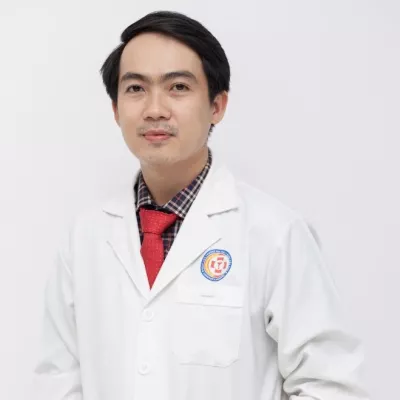
Gut microbiome dysbiosis in Hirschsprung-associated enterocolitis in Vietnamese children
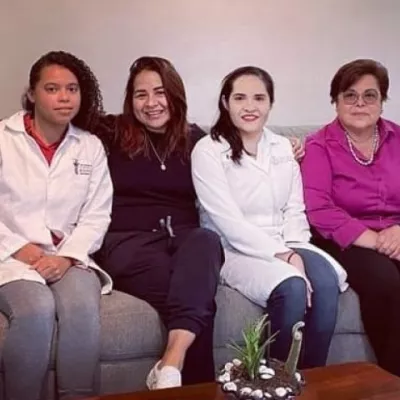

Validation of a screening questionnaire designed to evaluate the gut dysbiosis risk and its relationship with the gut ecosystem of Mexican children

Curbing the menace of rotavirus disease in Agbor community and raising awareness on the need for early childhood vaccination

Vaginal microbiota and Cameroonian women's health: mapping and increased awareness

To set up a reproductive health facility to address safe contraception methods and the myths behind the use of Ampiclox Capsule as female contraceptive in Nigeria

Waster-based epidemiology linking the microbiome profile of virus, fungi and bacteria for prediction of COVID-19 pandemic in Thailand as an epidemiological surveillance tool