

Project description
Endometriosis is a chronic and progressive gynecological disease affecting up to 10% of women of reproductive age. It is characterized by the growth of endometrial-like tissue outside the uterus, driven by enhanced estradiol signaling and resistance to progesterone. These mechanisms allow endometrial cells to proliferate and persist at ectopic sites, creating an unfavorable environment for embryo implantation and contributing to infertility. Indeed, in addition to causing chronic pain and significantly impairing quality of life, endometriosis is associated with infertility in 30–50% of patients, affecting both natural conception and success rates in in vitro fertilization.
The underlying pathophysiology of endometriosis remains incompletely understood and is considered multifactorial. Emerging evidence implicates the gut and vaginal microbiomes not only in disease onset and progression but also in reproductive outcomes. While dysbiosis-driven inflammation is a contributing mechanism, the broader functional role of microbial metabolism in endometriosis is largely unexplored.
The aim of MiENDO is to investigate microbiome-driven metabolic mechanisms underlying endometriosis and its frequent co-occurrence with infertility. By focusing on how microbial communities regulate bioactive compounds such as sex hormones, this work will provide novel insights into disease mechanisms. Ultimately, our findings will advance understanding of the microbiome’s contribution to endometriosis and support the development of innovative, non-invasive diagnostic tools and safer, more targeted treatment strategies.
This support will enable us to investigate the role of microbial metabolism of sex hormones and other bioactive compounds in endometriosis progression and its association with infertility.
Question to prof. Mireia Valles-Colomer
What will the Biocodex Microbiota Foundation and this grant bring to your research project?
I am honored to receive the Biocodex Microbiota and Women’s Health International Grant. This support will enable us to investigate the role of microbial metabolism of sex hormones and other bioactive compounds in endometriosis progression and its association with infertility. We believe the microbiome holds significant potential for advancing women’s health, and we greatly appreciate the Biocodex Microbiota Foundation has made this area a priority. Working with a multidisciplinary team of researchers and clinicians, we aim to elucidate microbiome-driven, metabolism-based mechanisms underlying endometriosis progression and co-occurring infertility, with the ultimate goal of contributing to more personalized and effective clinical management of this debilitating condition.
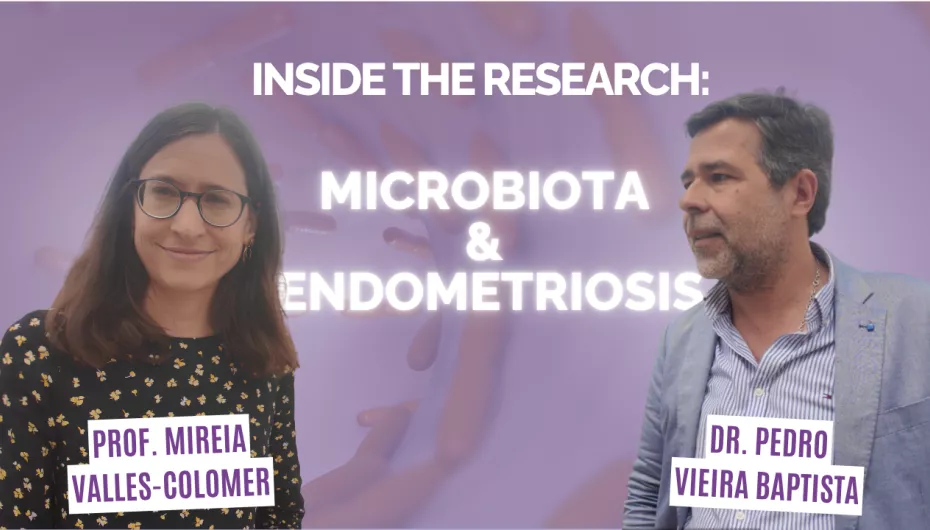
Microbiota, Hormones & Endometriosis | Interview with Prof. Mireia Valles-Colomer